
Exhibitions
Arts + Public Life
Arts + Public Life Exhibitions
are rooted in collaboration and critical inquiry. Presented at the Arts Incubator in Washington Park, our exhibition program brings artists into sustained conversation with place, history, and community. We approach exhibitions not simply as presentations of finished work, but as evolving sites of research—shaped through long-term relationships, dialogue, and attentiveness to context.
Our program centers emerging and mid-career artists whose practices engage memory, material processes, and social life, often foregrounding narratives and perspectives that have been historically underrepresented within cultural institutions. Through new commissions, public programs, and interpretive tools, our exhibitions are grounded in local knowledge while remaining in conversation with broader artistic and cultural histories. Each exhibition is conceived as an invitation to look closely, linger, and think together about how art can help us understand the present and imagine what comes next.
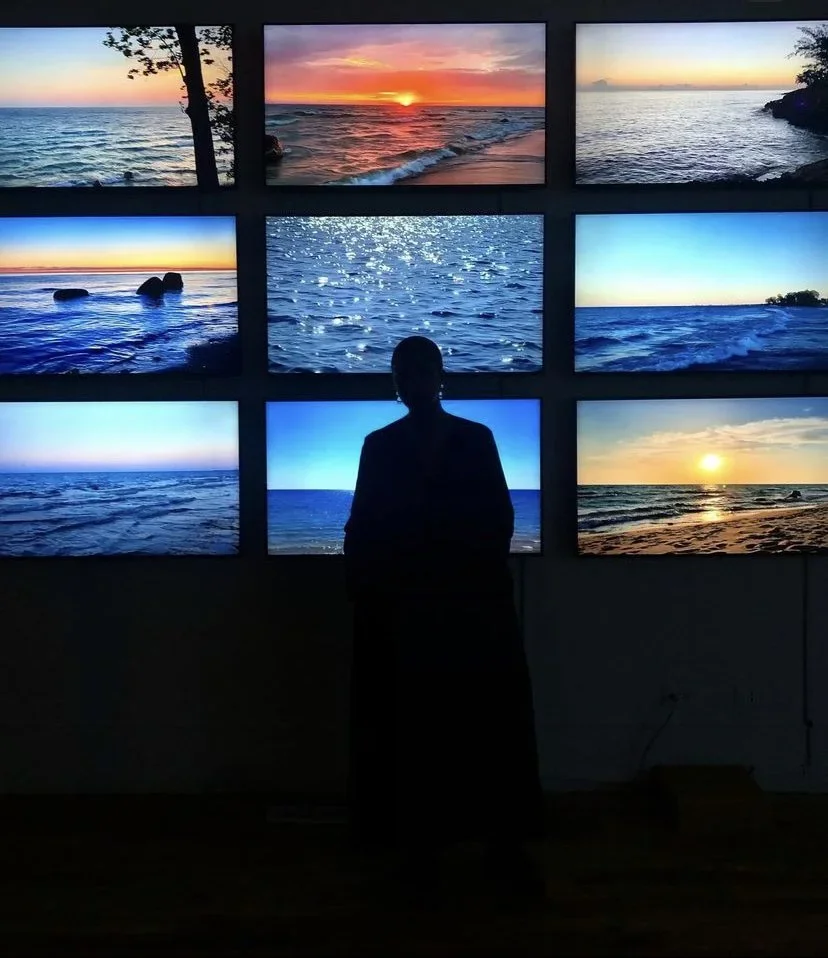
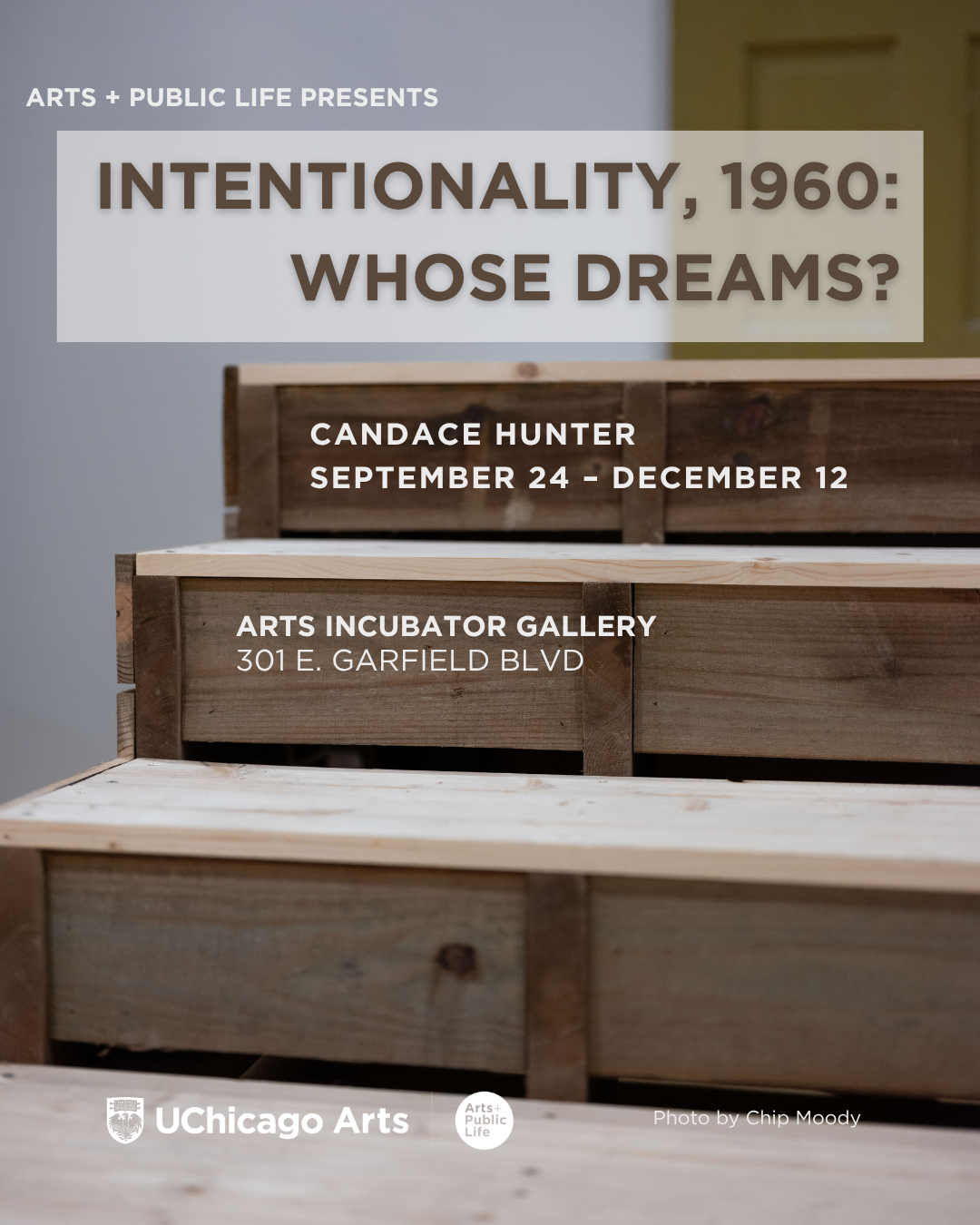
Intentionality, 1960: Whose Dreams?
September 24-December 12
Gallery Hours:
Thursday-Saturday | 1:00PM-5:00PM
Threshold: Conversations on the Stoop
Threshold: Conversations on the Stoop is a series of public talks that take place on the front porch within the Intentionality, 1960: Whose Dreams? exhibition. Candace Hunter will be in conversation with a host of scholars, artists, archivists, and neighbors around questions of race, residential space, displacement, memory, and belonging.
+ Adrienne Brown: Friday, October 16
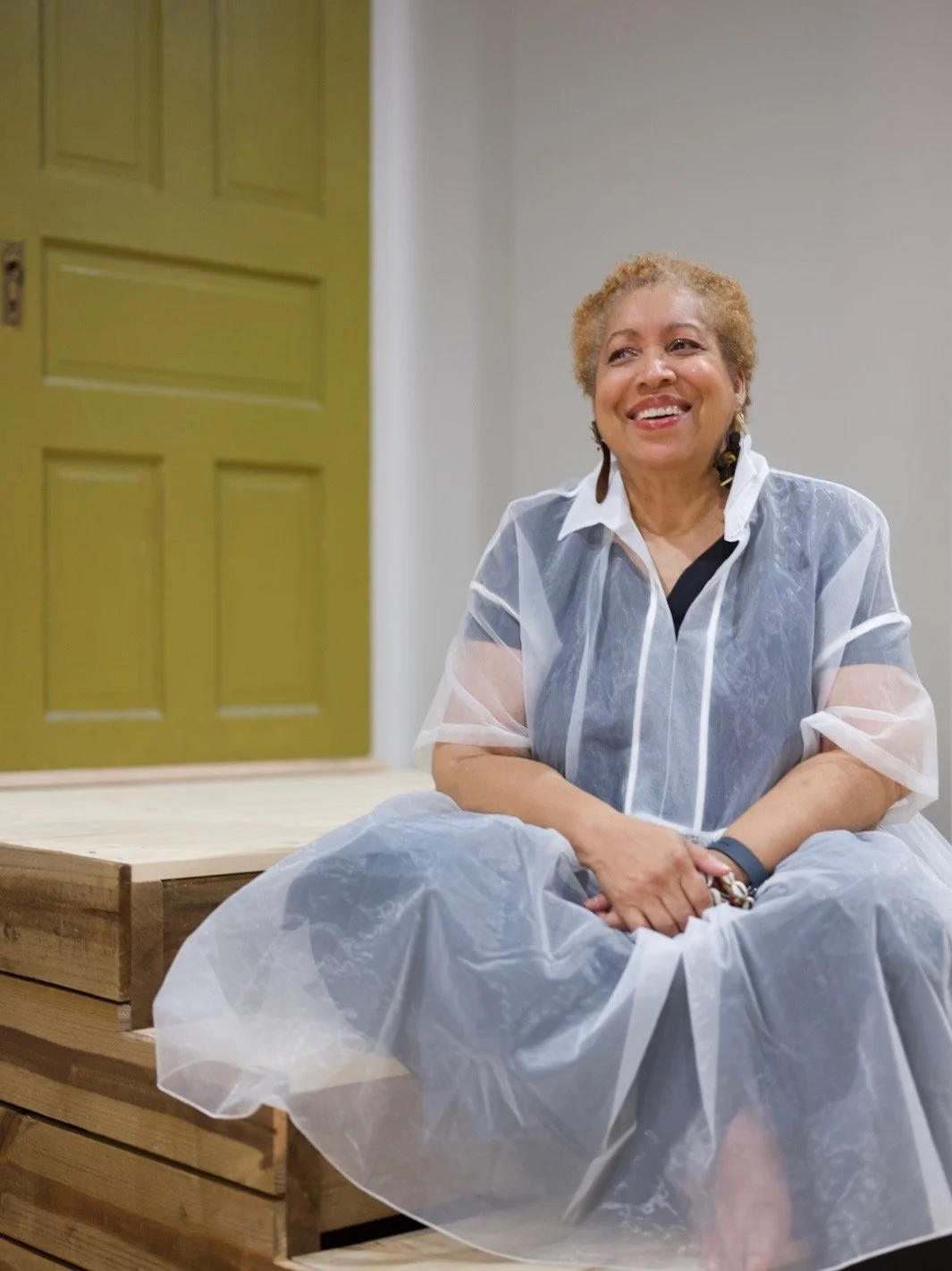
Candace Hunter (chlee), a Chicago based artist, creates collage, paintings, installations and performance art. Plainly, she tells stories. Using appropriated materials from magazines, maps, cloth and various reused materials, she offers new landscapes back to the viewer with a glimpse of history and admiration of the beautiful.
A highly respected artist in the Midwest, chlee’s most recent honors include the Elevate Climate Changemakers Award (2022), 3Arts Next Level Award (2021) and the Tim and Helen Meier Foundation Award (2020).
Hunter’s most recent notoriety has come from her Brown Limbed Girls series, which are painted and collaged 20 x 20 inch works, more than 130 and counting, that were born during the covid 19 pandemic and their sole purpose was to depict brown girls in various states of joy. To date, those images have been featured on Chicago billboards. three book covers, two major shows in New Orleans and Oakland and became the inaugural show for the Narrow Bridge Arts Club in Woodlawn.
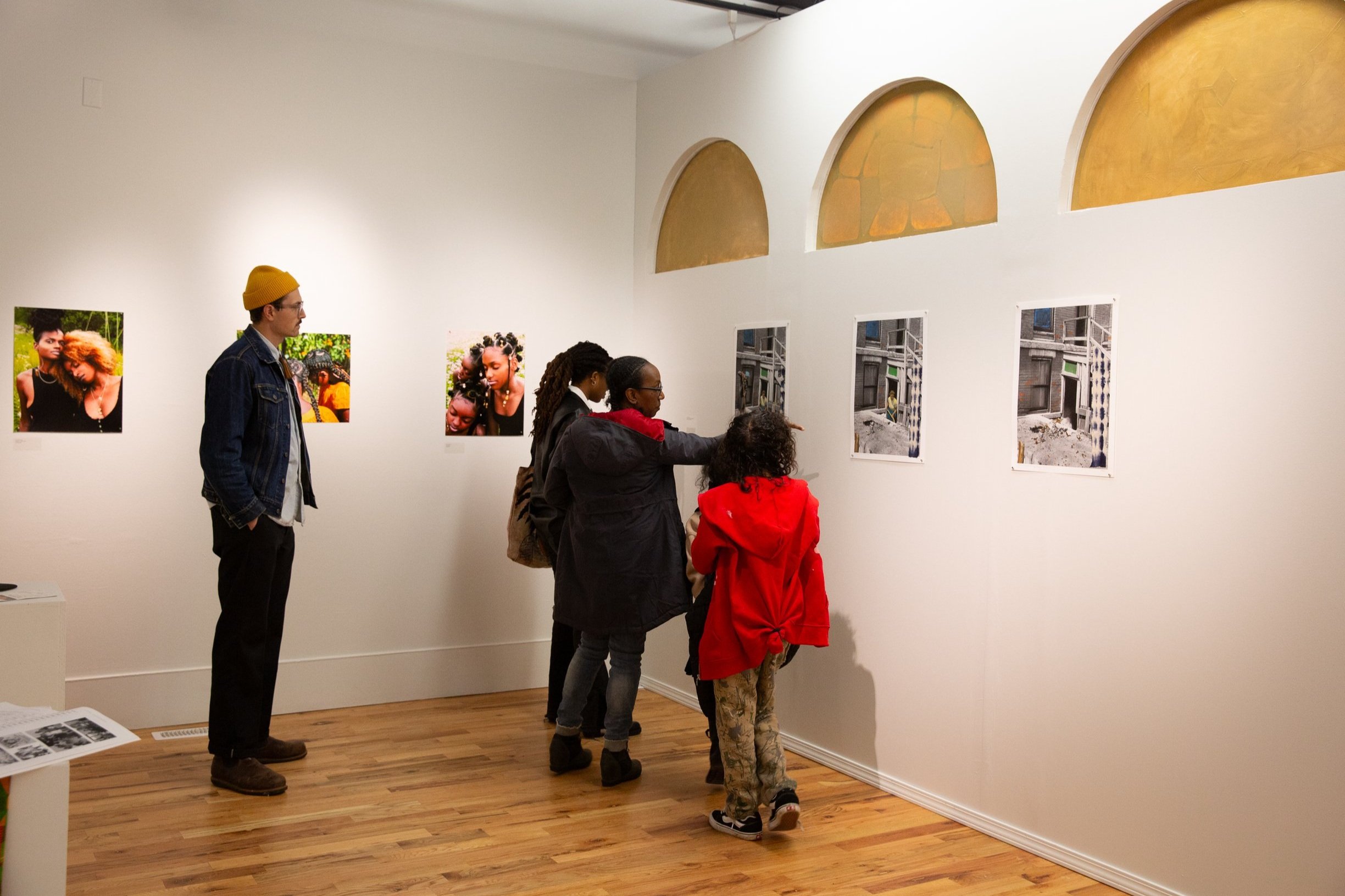
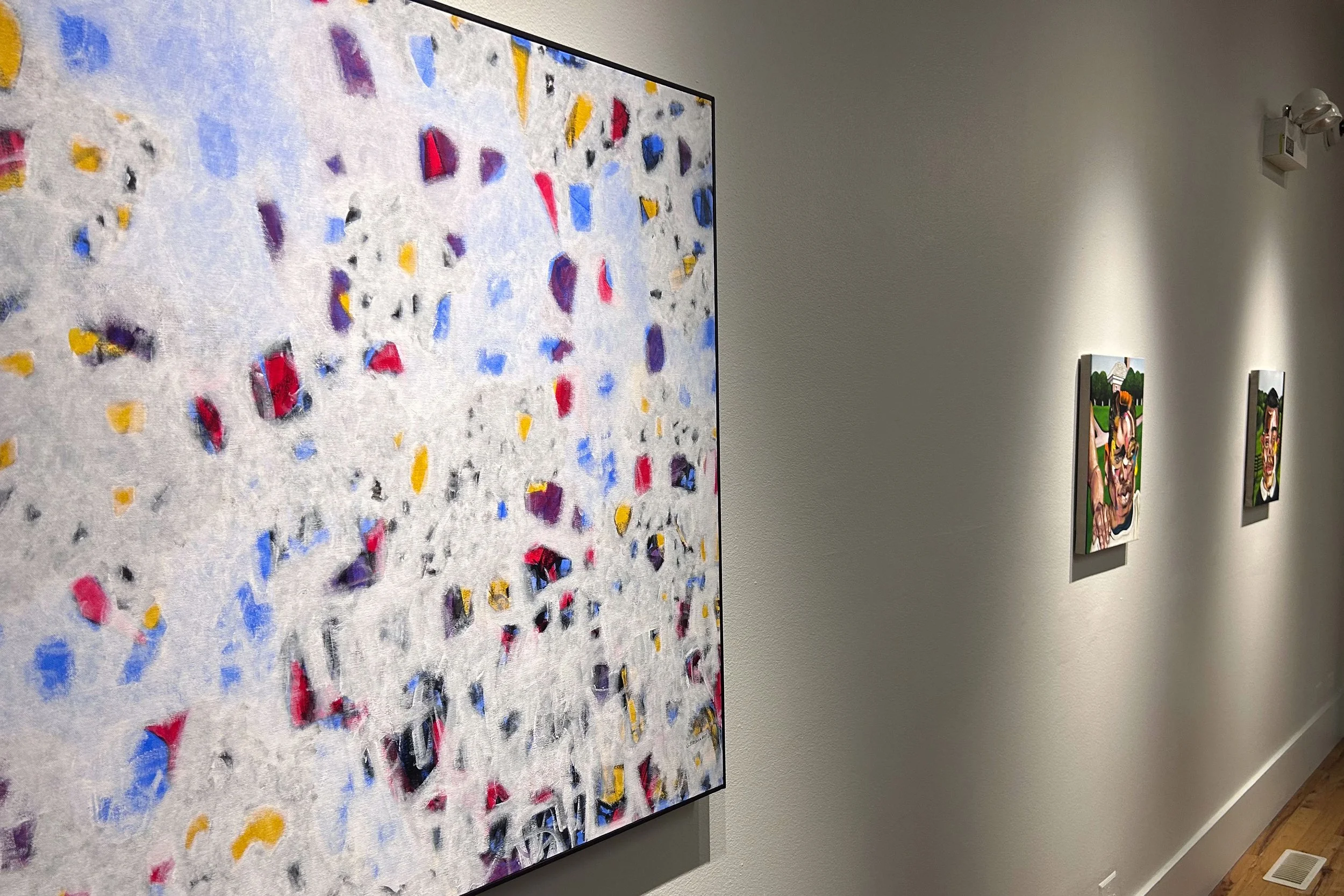
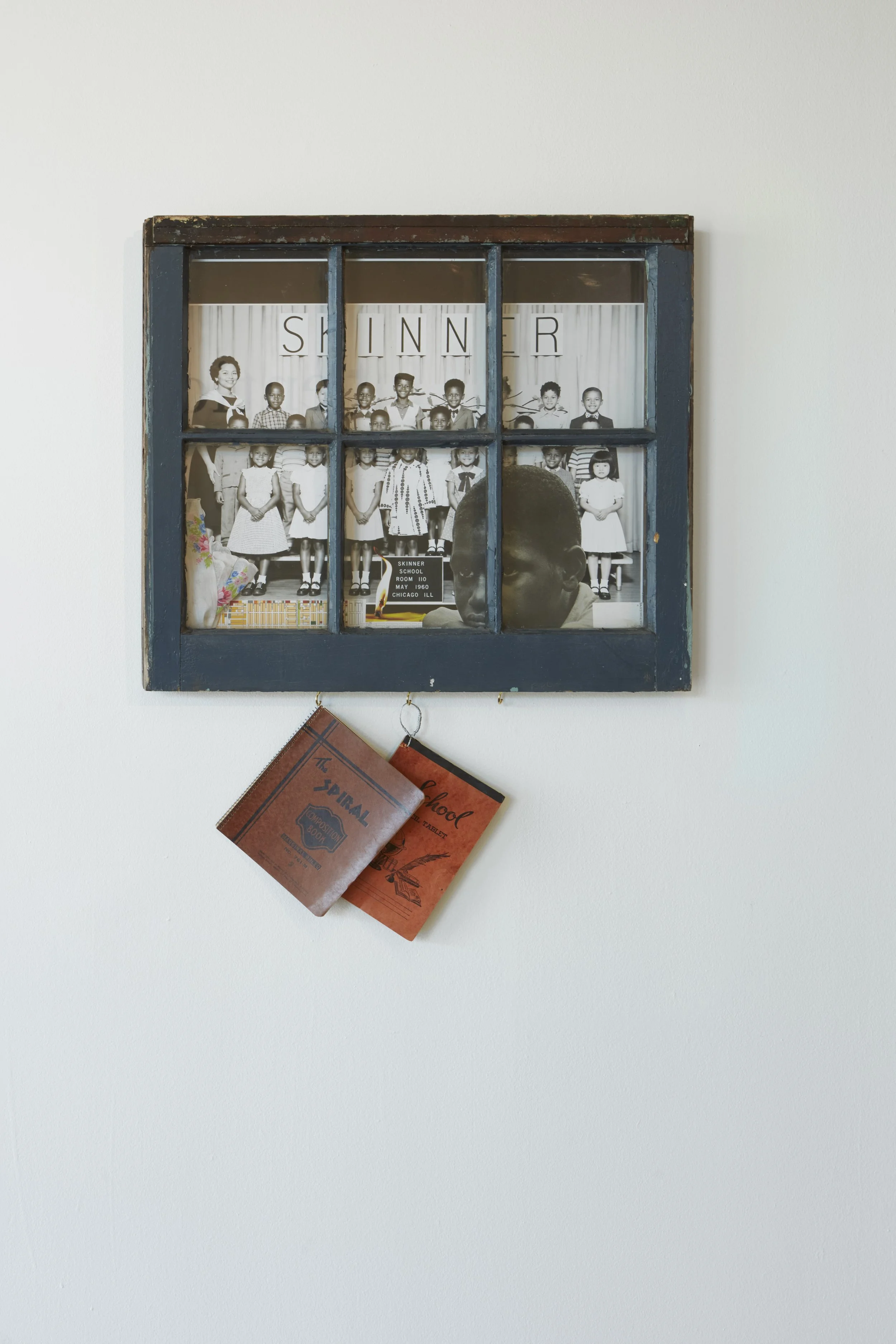
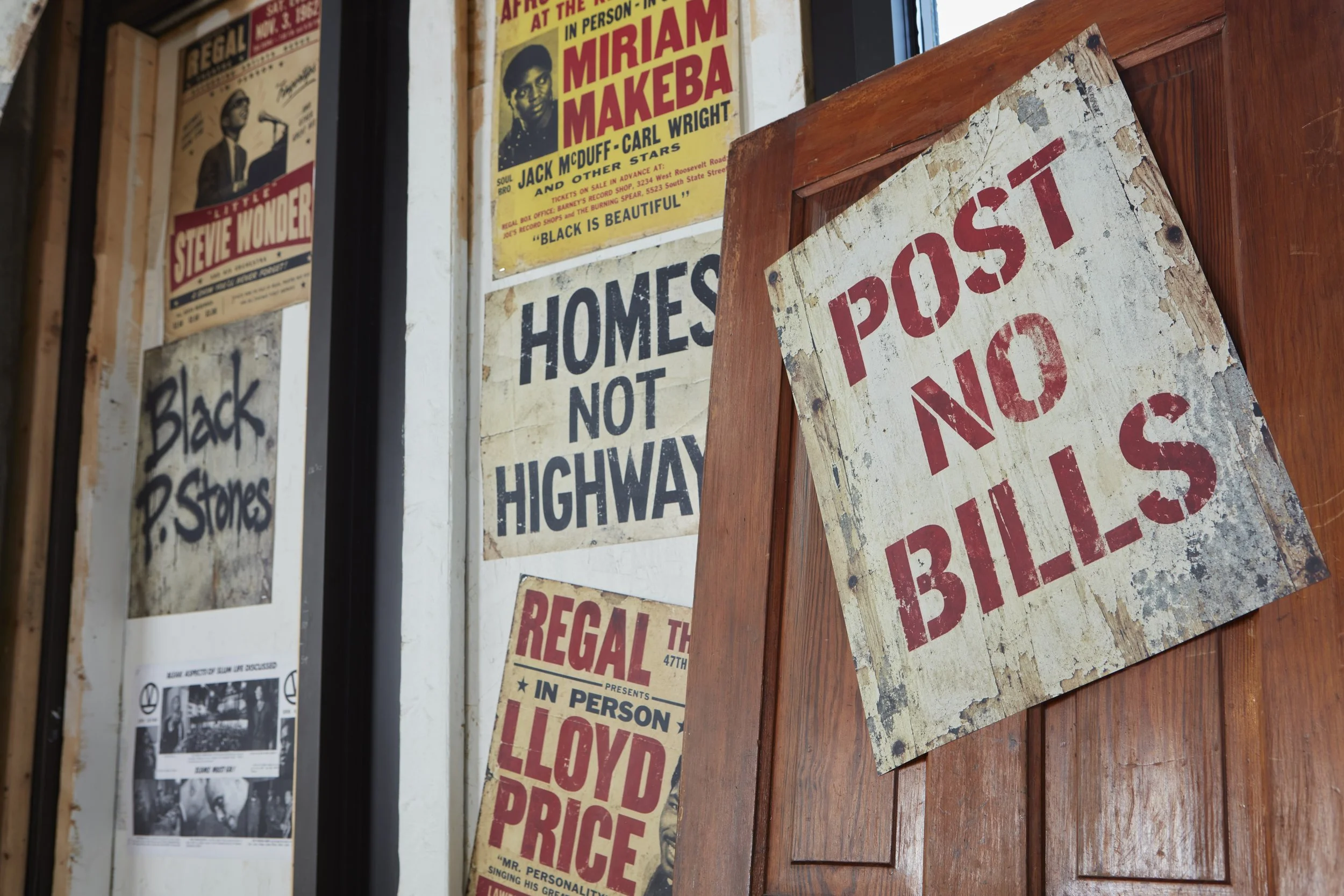
Intentionality, 1960: Whose Dreams? examines the instability of geography—how places are made, inherited, and ultimately understood as fixed. The landscape can make what was intentional appear inevitable. In her latest exhibition, Chicago artist Candace Hunter returns to the construction of the Dan Ryan Expressway and the Black communities displaced in its path. A continuation of her ongoing project, 50,831 +/– Dreams, the exhibition considers displacement beyond the loss of physical place and the routes, relationships, memories, and ordinary intimacies disrupted alongside it.
Working across photographic collage, installation, architectural fragments, archival materials, sound, sculptural interventions, and oral history, Hunter moves between what is recorded and what is remembered. Her Memory Teas operate as a form of practice-based research, gathering first-person accounts from Black Chicagoans who remember the Dan Ryan’s construction and the neighborhoods transformed by it. These accounts sit alongside the historical record, complicating what can be known about a place through maps, archives, and the landscape as it exists now.
Intentionality, 1960 stays with what persists after a place has been remade: what is carried forward, what is obscured, and what takes shape in its wake.
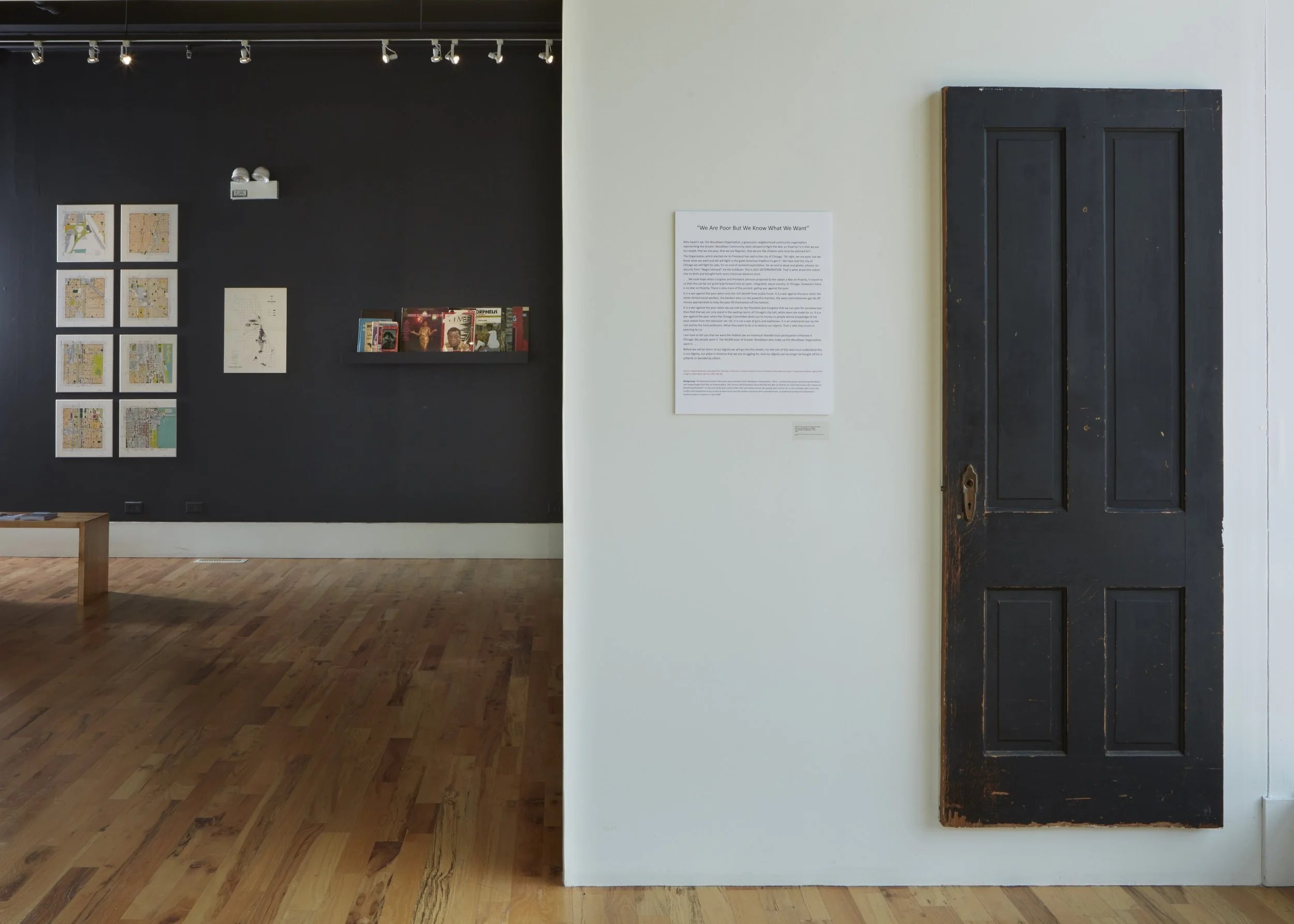
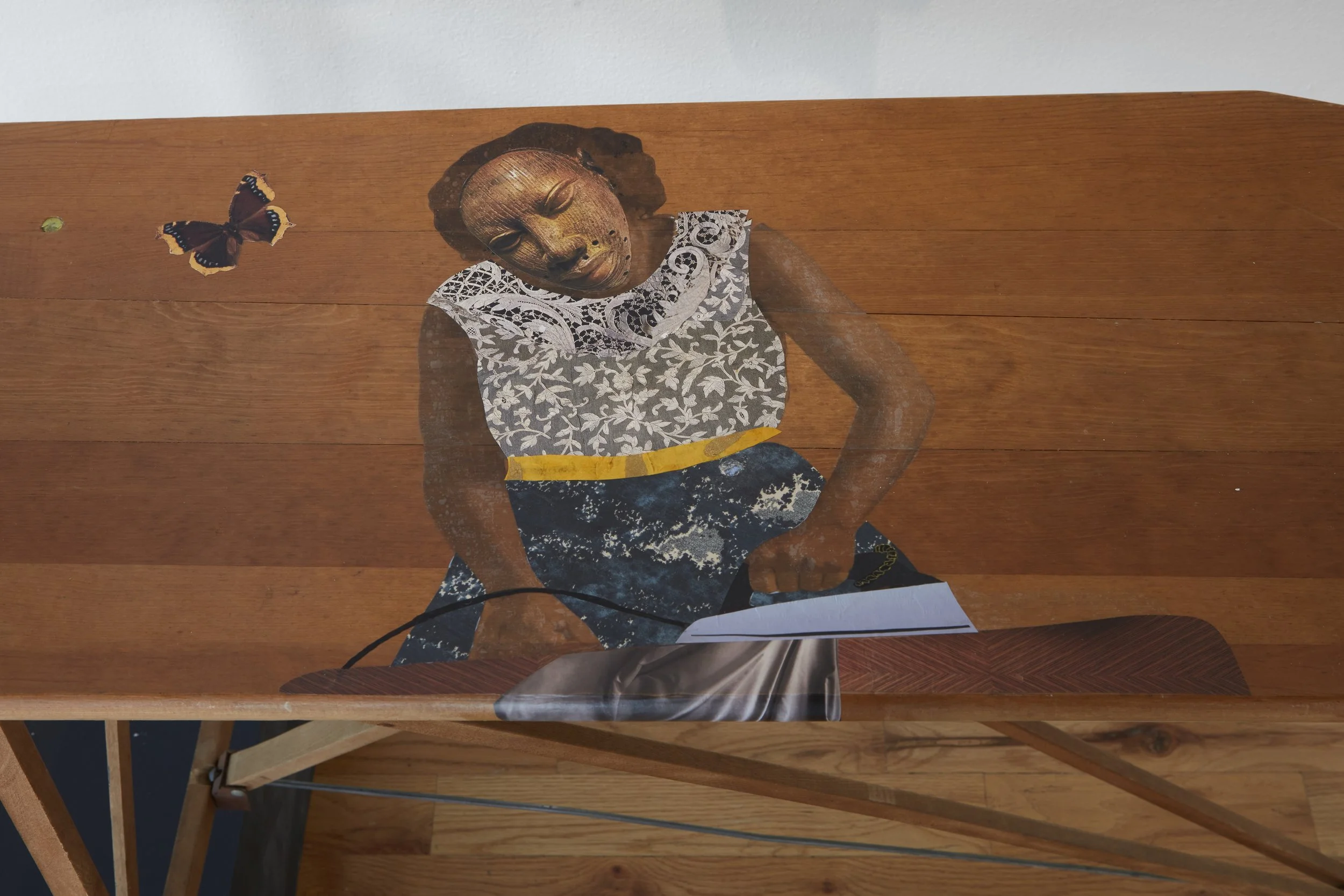
Photos by Sara Pooley
About the Artist
Past Exhibitions

EXHIBITION OPENING RECEPTION
Thursday, March 26th | 6pm-8pm
Arts Incubator | 301 E. Garfield Blvd
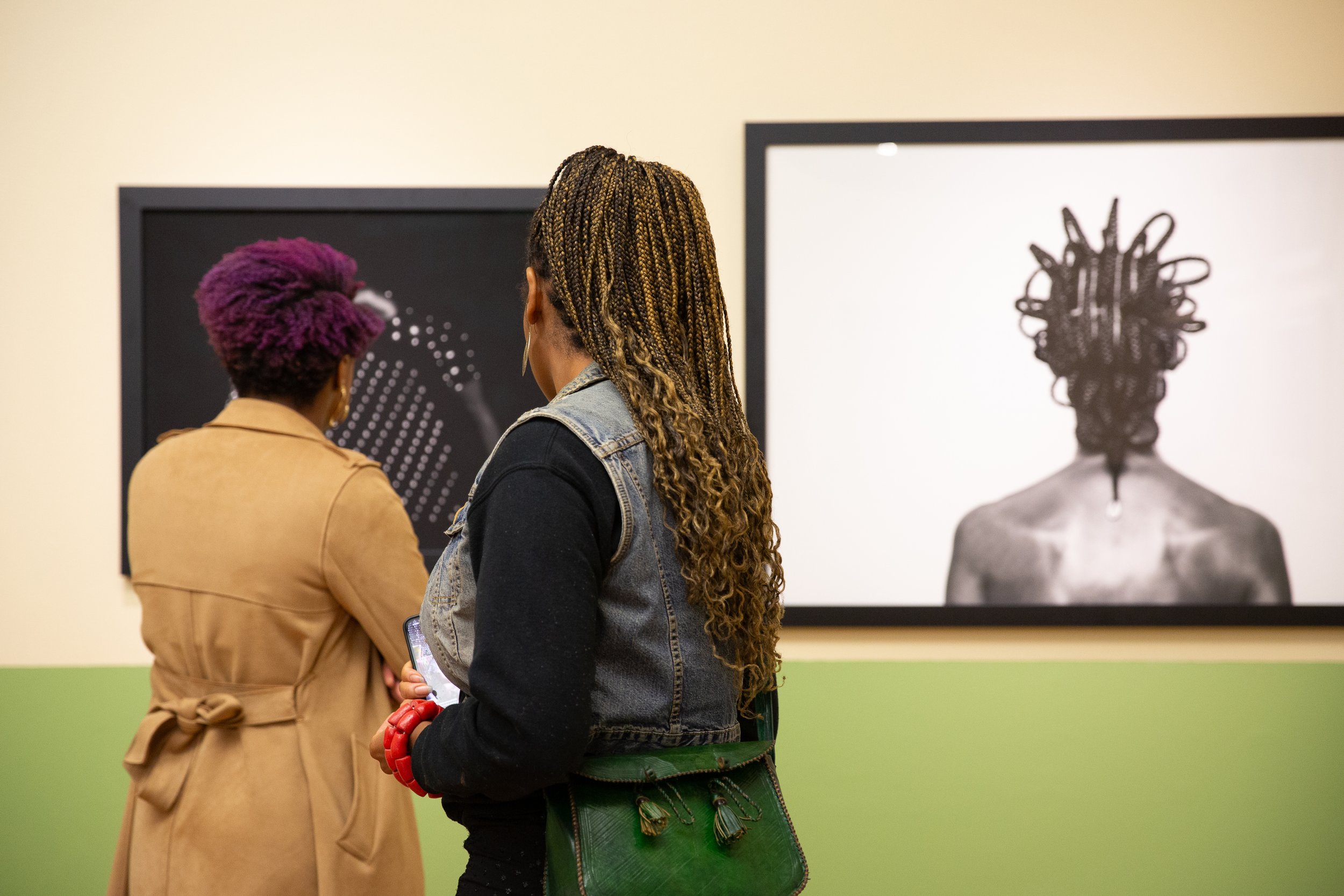
Jess Atieno’s (2023 Arts + Public Life Artist-in–Residence) practice engages African modernisms and visual culture through a postcolonial lens, critically examining the enduring imprint of colonial photographic practices on representations of place, home, and identity. Her research interrogates historic images, attending to their spectral presence and the ways they mediate memory, belonging, and dispossession.
Guided by artistic gestures that centre decolonized interpretations of history, Atieno makes time travels through history’s material remains such as photographs, maps and documents, incorporating them into the making of large screen prints and intricate woven tapestries. These acts of remediation do not merely reproduce these images but reanimate them, unsettling their fixity and opening them to new possibilities of meaning.
Atieno employs collage, fragmentation, and material manipulation as strategies to destabilize the photographic field, positioning her work sites of intervention. By engaging the screen print halftone and weaving binary code as visual registers, she constructs nuanced poetic narratives that resist the totalizing gaze of colonial photography. This process unfolds through a haptic collaboration between her body, the silk screen, and the loom— an embodied, multisensory negotiation that challenges the colonial logics of visibility and representation, ultimately proposing alternative ways of seeing and knowing.
Sightlines, Ghosts, and Other Stories of the Impossible
On View March 26th-July 25th
Gallery hours :
Thursday-Saturday | 1:00 - 5:00pm
What remains here is not only the buildings themselves,
but the futures they once promised—
futures that were never fully realized.
In the afterlives of independence-era architecture,
that moment does not resolve into the past,
yet those futures remain unsettled.
Brutalist and modernist forms become sites
where past and present operate simultaneously,
holding the pressure of a future
that has yet to settle into shape.
—
Through sculptural works that recast architectural elements
in concrete and incorporate embedded sonic elements,
Atieno approaches architecture as atmospheric and felt.
Printed works situate bodies within these spaces,
where structure and environment remain in ongoing reconfiguration.
The project treats modernism as an evolving formation
shaped by circulation, environment, and lived spatial realities.
In this sense, what persists
is not only what remains,
but what continues to take shape.
2026
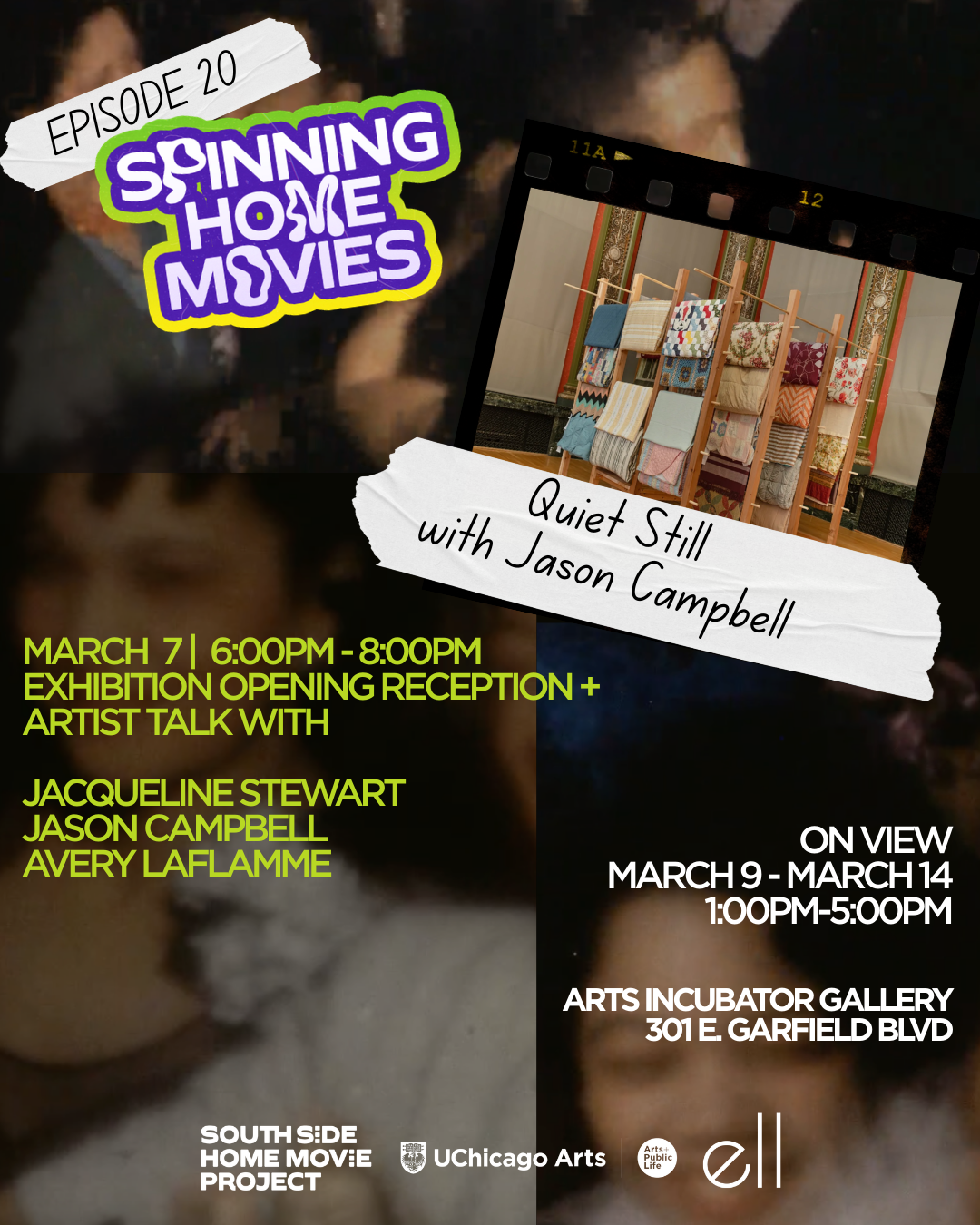
Spinning Home Movies #20 Quiet Still with Jason Campbell
Opening: March 7th | On View March 9th-March 14
Gallery hours :
Monday, March 9 - Saturday, March 14 | 1:00 - 5:00pm
As part of its 20th Anniversary celebration, the South Side Home Movie Project presents Spinning Home Movies Episode 20: Quiet Still with Jason Campbell, a week-long exhibition that showcases the materiality, architecture and temporality of home through archival films and architectural design. In the first ever Spinning Home Movies exhibition, Jason Campbell presents an original work that combines elements of his own artistic practice with SSHMP’s Ramon Williams Collection.
Artist and architect Jason Campbell transports The Linen Closet, originally exhibited as part of the Chicago Architectural Biennial, to the Arts Incubator gallery. An open cedar frame carries donated quilts and comforters, creating a monument to the ritual, improvisational practice of homemaking. In its new location, images sampled from the Ramon Williams Collection at the South Side Home Movie Project are projected onto The Linen Closet, expanding its material archive of home to include home movie recordings.
Ramon Williams was an IBEW electrician, entrepreneur, and amateur filmmaker who documented public life in and around his neighborhood of Bronzeville. His collection, donated to the South Side Home Movie Project in 2020, includes over 300 film reels captured between the 1940s and the 1960s. From parades, performances, sporting events and fashion shows, Williams’ films are rare glimpses into the vibrant civic life of the historic Black neighborhood.
Unlike many of the collections archived at the South Side Home Movie Project, Williams’ films primarily document public events occurring beyond the domestic confines of a family home. And yet, the collection of films retain the intimacy typically reserved for home movie recordings. To foreground this intimacy, Campbell collects still frames from Williams’ films that capture moments of direct eye contact between Williams’ camera and his subjects. Excised from their moving image context and assembled into photo albums, these stills become an archive of presence where Williams, his subjects and visitors to the gallery share a collective interior in the midst of Black public life.
The gaze collapses the divide between public documentation and private memory. Historically, Black presence in public space has been surveilled, regulated, or rendered hyper visible. When subjects look directly into Ramon Williams' camera, the look is not passive, it reclaims the frame. The gaze signals: this is ours; we recognize who is filming; we belong here. By extracting only these moments, civic documentation is transformed into something that behaves like a family archive, where being seen is not extractive but relational. Spinning Home Movies Episode 20: Quiet Still with Jason Campbell invites us to view projected images from within The Linen Closet, to explore the photo albums of stills, and to consider the “stilling” power of the gaze.
Spinning Home Movies Episode 20: Quiet Still with Jason Campbell is presented with generous support from the Gaylord and Dorothy Donnelley Foundation.
EXHIBITION EVENT
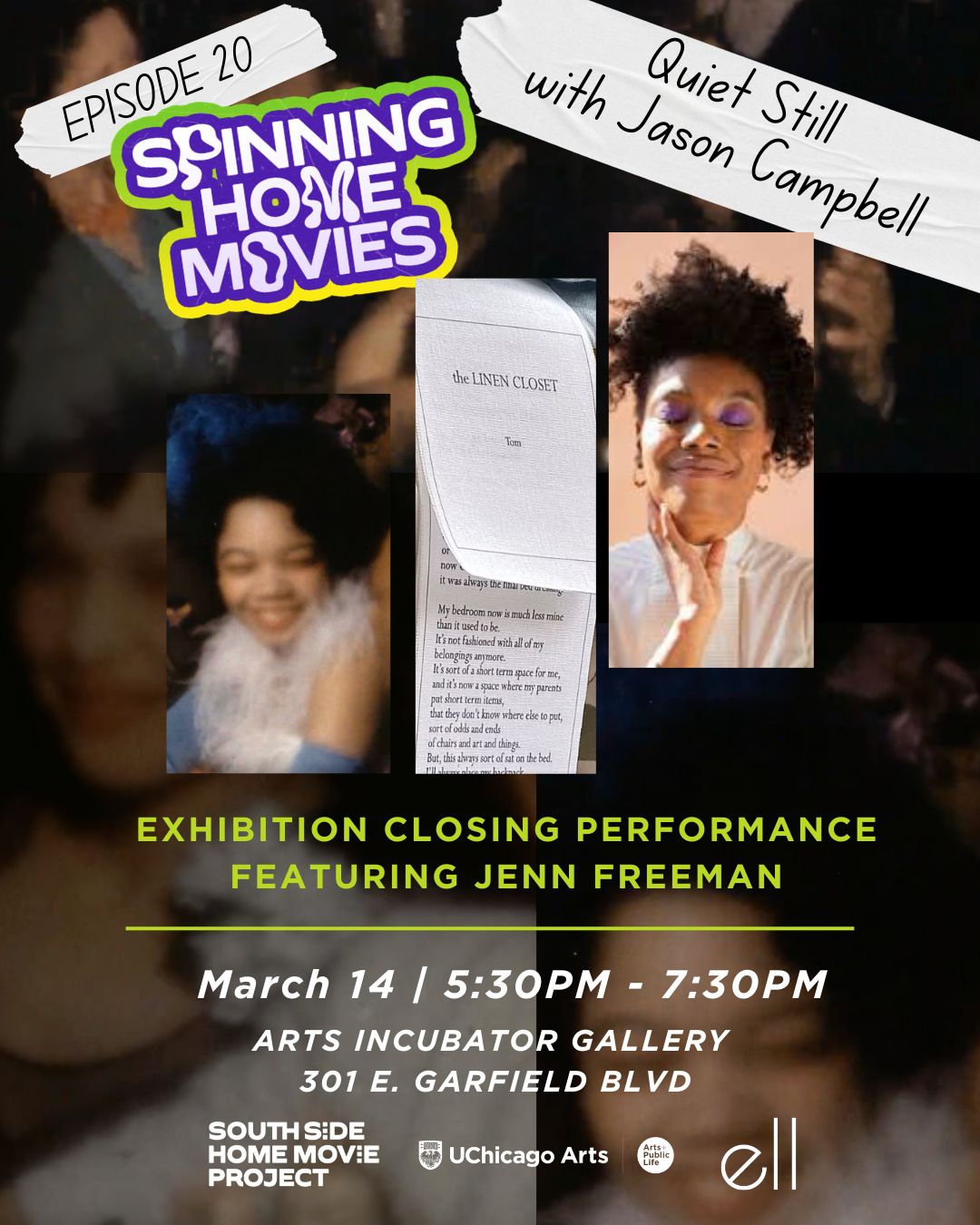
Movement: Jenn Freeman
Music: Jamila Woods
Video: Visual Manifesto
Editing: Alyssa Gregory
The Linen Closet: Jason Campbell
Projections from: South Side Home Movie Project Ramon Williams Collection
Spinning Home Moves #20 Quiet Still Closing Night with Jenn Freeman
As part of South Side Home Movie Project’s 20th Anniversary, celebrate Spinning Home Movies Episode #20: Quiet Still with an intimate performance by movement artist Jenn Freeman. By weaving together research from the SSHMP Ramon Williams Collection and the physical structure of Jason Campbell’s The Linen Closet, Freeman uses movement to explore the ritual of 'homemaking' within a cedar-framed monument to improvisation and care.